
 Español
 Pусский
 العربية
 Tiếng Việt
 中文
中文
Building Security Entry Door
Building Security Entry Door: Design and Features A well-designed security entry door is a critical component of any building’s safety infrastructure, providing controlled access while deterring unauthorized entry. These doors must balance durability, functionality, and aesthetics to ensure both security and convenience for occupants. Material and Construction High-quality security doors are typically constructed from robust materials such as steel, reinforced aluminum, or solid wood with metal cores. Steel doors are particularly popular due to their strength, resistance to forced entry, and longevity. The door frame should be equally sturdy, often reinforced with heavy-gauge steel or additional metal plating to prevent tampering or prying. Locking Mechanisms Advanced locking systems are essential for security doors. Common options include: - Deadbolt locks: Provide superior resistance to forced entry compared to standard spring-latch locks. - Multi-point locking systems: Engage bolts at multiple points along the door frame, distributing force and making forced entry more difficult. - Electronic access control: Keypad, card reader, or biometric (fingerprint, facial recognition) systems allow for secure, programmable access. Impact and Fire Resistance Security doors should also offer impact resistance to withstand physical attacks, such as kicking or battering. Many models are tested to meet industry standards for forced-entry resistance. Additionally, fire-rated security doors provide an extra layer of protection, slowing the spread of flames and smoke in emergencies. Visibility and Monitoring To enhance security without compromising safety, many entry doors incorporate reinforced glass or peepholes for visibility. Some models include integrated cameras or smart doorbells that allow occupants to monitor visitors remotely via mobile devices. Weatherproofing and Insulation A high-quality security door should also provide weather resistance, preventing drafts, moisture, and external noise. Proper sealing and insulation improve energy efficiency while maintaining structural integrity. Compliance and Certification Reputable security doors meet recognized safety standards, such as ANSI (American National Standards Institute) or UL (Underwriters Laboratories) certifications, ensuring reliability and performance. Conclusion A well-engineered security entry door is a fundamental safeguard for any building, combining strength, technology, and design to protect occupants and assets. By selecting the right materials, locking mechanisms, and additional features, property owners can significantly enhance security while maintaining ease of access for authorized individuals.
Products
Category:
-
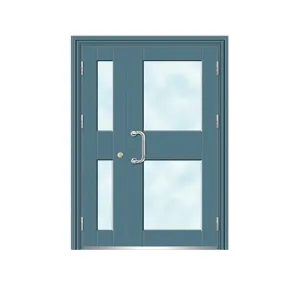
Building intelligent security door
Category: Building entrance doorBrowse number: 47Number:Release time: 2025-10-31 15:33:16The Building Intelligent Security Door combines advanced access control, real-time monitoring, and smart automation to provide enhanced protection for residential and commercial properties. Equipped with electronic locks, intercom systems, and remote management capabilities, this door allows users to verify visitors, control access, and monitor security remotely. Ideal for apartments, office buildings, and gated communities, it integrates durable steel construction, tamper-resistant features, and energy-efficient electronics, delivering reliable security, convenience, and peace of mind.
News
Category:
-
[Company News]Steel vs Aluminum Building Entrance Doors
2025-11-04 09:20:36 -
[Industry News]Fire Doors in Laboratories: Special Considerations
2025-11-14 08:54:45
Case
Category:
No search results found!
Video
Category:
No search results found!
Download
Category:
No search results found!
Job
Category:
No search results found!
Featured Products
No search results found!



 Phone: